How to Learn Keyboard for Beginners
Learning the keyboard is one of the easiest and most enjoyable ways to start your musical journey. Whether you are a child, teenager, or adult beginner, keyboard lessons help improve concentration, creativity, memory, and musical understanding.
At The Practicing Musician, beginners can learn keyboard step by step with simple exercises, songs, and practical techniques designed especially for young learners and first-time students.
In this guide, you will learn how to start keyboard lessons, understand musical notes, improve finger coordination, and practice effectively at home.
Why Learning Keyboard Is a Great Skill
The keyboard is one of the best beginner-friendly musical instruments because it helps students understand melody, rhythm, chords, and music theory together.
Benefits of learning keyboard include:
- Improves memory and concentration
- Builds hand coordination
- Develops creativity and confidence
- Helps children improve listening skills
- Makes learning music theory easier
- Suitable for all age groups
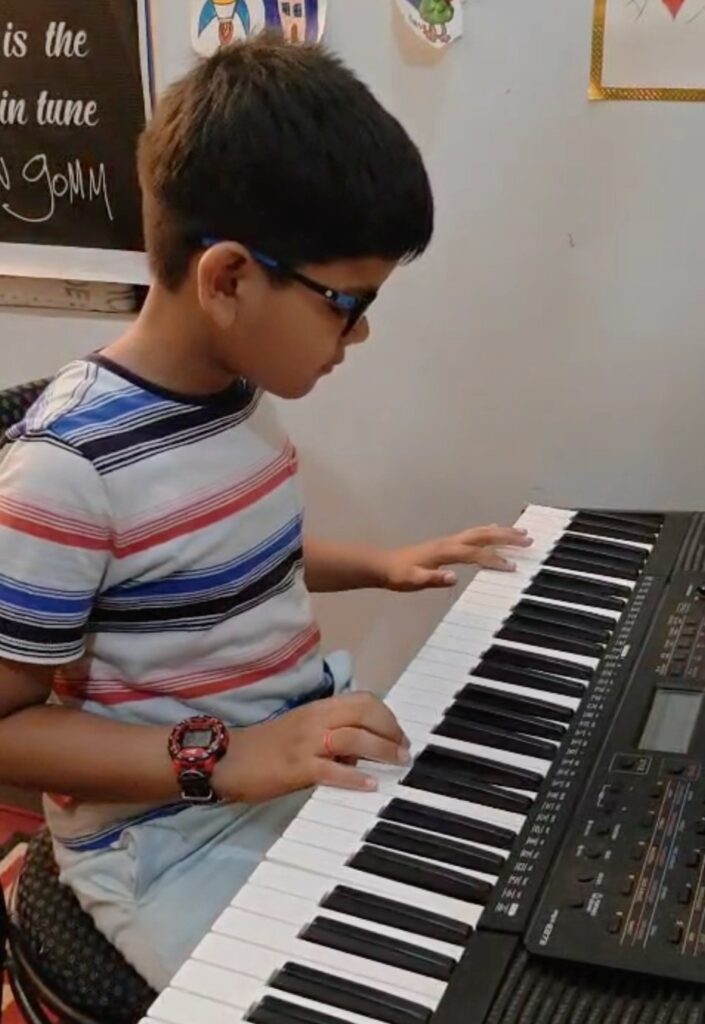
Many parents choose keyboard lessons for kids because the instrument is visually simple and easier to understand compared to many other instruments.
Choosing the Right Keyboard for Beginners
Before starting lessons, it is important to choose the right beginner keyboard.
Features to Look For
Full-Size Keys
Choose a keyboard with standard-size keys for better learning.
Touch Sensitivity
Touch-sensitive keys help students learn proper finger control.
Portable Design
Lightweight keyboards are easier for kids and beginners to manage.
Built-In Learning Features
Many beginner keyboards include:
- Demo songs
- Rhythm patterns
- Lesson modes
- Metronome functions
Popular beginner keyboard options are suitable for home practice and online music learning.
Understanding Keyboard Notes
The first step in learning keyboard is understanding the musical notes.
Basic Notes on Keyboard
The keyboard follows a repeating musical pattern:
C – D – E – F – G – A – B
These notes repeat across the entire keyboard.
Finding Middle C
Middle C is usually the starting point for beginners. It helps students identify hand position and learn scales properly.
Proper Hand Position for Keyboard Playing
Good hand posture is very important when learning keyboard.
Beginner Finger Position
- Keep fingers naturally curved
- Relax your wrists
- Sit straight while practicing
- Keep both feet stable on the floor
Using correct posture helps beginners avoid finger stiffness and improves playing speed over time.
Learn Finger Numbers on Keyboard
Each finger has a number:
Right Hand
- Thumb = 1
- Index = 2
- Middle = 3
- Ring = 4
- Little finger = 5
Left Hand
The numbering system remains the same.
Finger numbers help beginners follow exercises and songs easily.
Start with Simple Keyboard Exercises
Practice simple finger exercises daily before learning songs.
Easy Beginner Exercises
Five-Note Exercise
Play:
C – D – E – F – G
Then return:
G – F – E – D – C
This exercise improves:
- Finger movement
- Rhythm
- Hand coordination
Learn Keyboard Scales
Scales are the foundation of keyboard learning.
C Major Scale
The easiest scale for beginners is:
C – D – E – F – G – A – B – C
Practicing scales daily improves:
- Finger speed
- Accuracy
- Muscle memory
Practice Rhythm and Timing
Good timing is essential in music.
Use a Metronome
A metronome helps students:
- Maintain rhythm
- Improve timing
- Play consistently
Beginners should start practicing slowly and gradually increase speed.
Learn Easy Songs First
After basic exercises, beginners can start simple songs.
Best Beginner Songs for Keyboard
Easy songs help students:
- Build confidence
- Improve hand coordination
- Understand melody patterns
Start with:
- Nursery rhymes
- Simple melodies
- Basic Bollywood tunes
- Beginner piano exercises
How Much Should You Practice?
Consistency is more important than long practice sessions.
Ideal Practice Time
Kids
15–30 minutes daily
Teenagers & Adults
30–45 minutes daily
Daily practice helps students improve faster than irregular long sessions.
Common Mistakes Beginners Should Avoid
Playing Too Fast
Start slowly and focus on accuracy.
Wrong Hand Position
Always maintain relaxed posture.
Skipping Basics
Learn notes and scales properly before advanced songs.
Inconsistent Practice
Daily practice gives better long-term improvement.
Benefits of Online Keyboard Classes
Online keyboard lessons have become popular because students can learn from home comfortably.
Advantages include:
- Flexible timings
- One-on-one guidance
- Recorded practice support
- Comfortable learning environment
- Access from any city
At The Practicing Musician, beginner-friendly keyboard lessons help students build strong musical foundations with structured learning methods.
Tips to Learn Keyboard Faster
Follow a Practice Schedule
Create a daily music routine.
Listen to Music Regularly
Listening improves musical understanding.
Practice Both Hands
Train coordination gradually.
Record Your Practice
It helps identify mistakes and track progress.
Learn Music Theory Slowly
Understanding chords and scales improves performance.
Why Keyboard Is Perfect for Kids
Keyboard learning helps children develop:
- Discipline
- Creativity
- Listening skills
- Confidence
- Focus
It is one of the best extracurricular activities for child development and creative learning.
Final Thoughts
Learning keyboard becomes easier when students follow proper techniques, practice consistently, and enjoy the process. Beginners should focus on basic notes, hand position, scales, rhythm, and simple songs before moving to advanced lessons.
Whether you are starting as a child or adult beginner, regular practice and proper guidance can help you become confident in keyboard playing.
If you are looking for beginner-friendly keyboard lessons for kids and beginners, visit The Practicing Musician to explore structured music learning programs and online keyboard classes.
FAQs
How long does it take to learn keyboard?
Beginners can learn basic songs and exercises within a few months with regular practice.
Is keyboard easy for beginners?
Yes, keyboard is considered one of the easiest instruments for beginners because of its simple note layout.
What age is best to start keyboard lessons?
Children can start learning keyboard from around 5–6 years old with proper guidance.
Can I learn keyboard online?
Yes, online keyboard lessons are highly effective for beginners and kids when taught through structured sessions.
How much should beginners practice keyboard daily?
Beginners should practice at least 15–30 minutes daily for steady improvement.